
Why Paired Downlights Are Becoming a Must-Have in Luxury Home Design
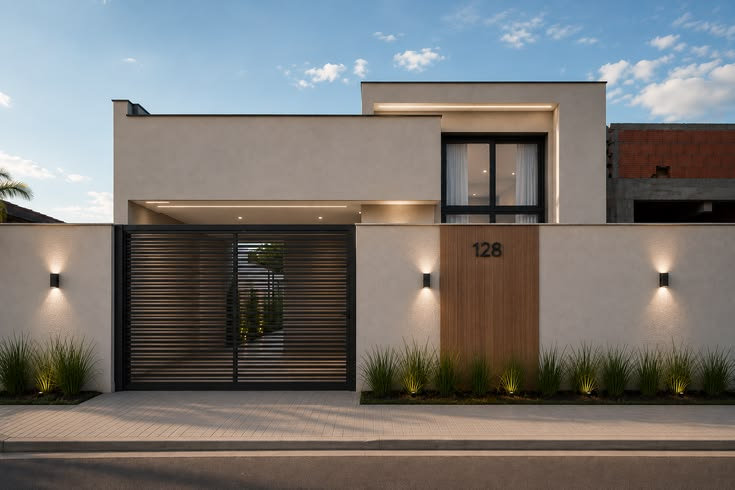
Lighting is one of the most overlooked elements in home design. Yet it has one of the biggest impacts on how a space feels.
One trend we are seeing more and more in custom homes is the use of paired downlights. Instead of a single downlight in a location, designers are using two carefully positioned lights side by side to create a more architectural and sophisticated look.
When done properly, this small detail can completely transform the feel of a home.
What Are Paired Downlights?
Paired downlights are exactly what they sound like. Two downlights positioned together rather than individually.
Rather than simply lighting a room, they become a design feature that adds rhythm, symmetry, and visual interest throughout the home.
This is why many luxury and architectural homes are moving away from traditional downlight layouts and incorporating paired lighting arrangements instead.
Why Are Homeowners Choosing Them?
The answer is simple.
They look better.
Paired downlights create a more intentional lighting design. They draw attention to key areas, highlight architectural features, and give spaces a premium feel that standard lighting layouts often lack.
It is one of those subtle details that people may not consciously notice, but they immediately feel the difference when they walk through the home.
How to Get Paired Downlights Right
Like most architectural details, success comes down to execution.
1. Get the Spacing Right
One of the most important considerations is the distance between the fittings.
As a general rule, paired downlights should be positioned approximately 200mm centre-to-centre apart.
Too close and they can look cramped.
Too far apart and the pairing effect is lost.
The right spacing creates a clean, balanced appearance.
2. Use High-Quality Fittings
Not all downlights are created equal.
For a luxury finish, we typically recommend:
90mm cut-out fittings
Recessed designs
Anti-glare technology
Dimmable functionality
These features help create a softer, more refined lighting effect while reducing harsh glare that can make a space feel less comfortable.
3. Think Beyond Brightness
Many homeowners focus solely on how much light a fitting produces.
The real goal should be creating atmosphere.
Dimmable lighting allows you to adjust the mood throughout the day, whether you’re entertaining guests, relaxing in the evening, or working from home.
Good lighting design is about flexibility, not just brightness.
Why Lighting Should Be Considered During Design
One of the biggest mistakes homeowners make is leaving lighting decisions until late in the project.
By that stage, ceiling layouts, electrical plans, and room proportions may already be fixed.
At Neogen Homes, we consider lighting during the design phase because it impacts:
Ceiling aesthetics
Furniture layouts
Architectural features
Mood and ambience
Overall home presentation
The earlier these decisions are made, the better the final outcome.
Small Details Create Luxury Homes
Luxury is rarely created by one large feature.
More often, it comes from dozens of small, thoughtful decisions working together.
Paired downlights are a perfect example. They may seem like a minor detail, but when combined with quality fittings, proper spacing, and thoughtful placement, they can elevate a home from feeling standard to feeling truly custom.
At Neogen Homes, these are the details we help clients navigate throughout the design process.
Because great custom homes are not built by accident.
They are built through intentional design decisions from day one.