
Are Low-Pitched Roofs Worth It? The Hidden HVAC Cost Most Homeowners Miss
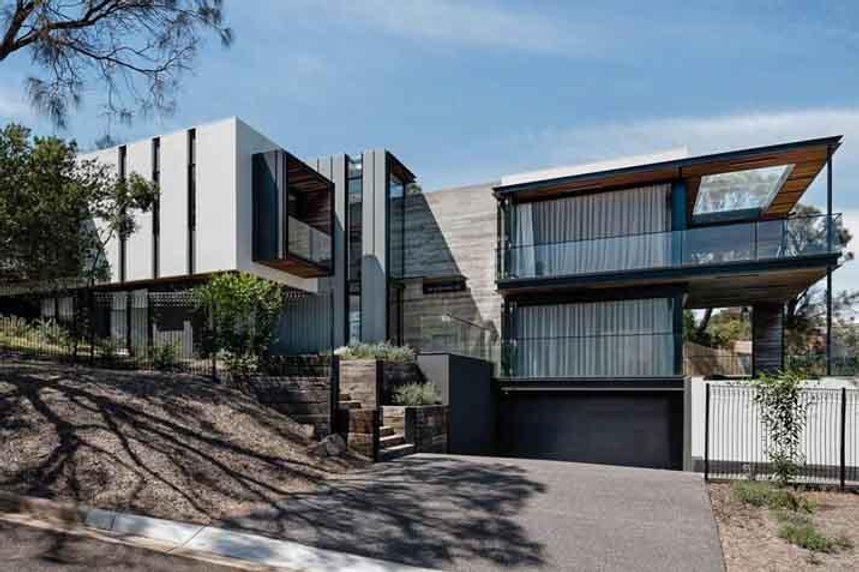
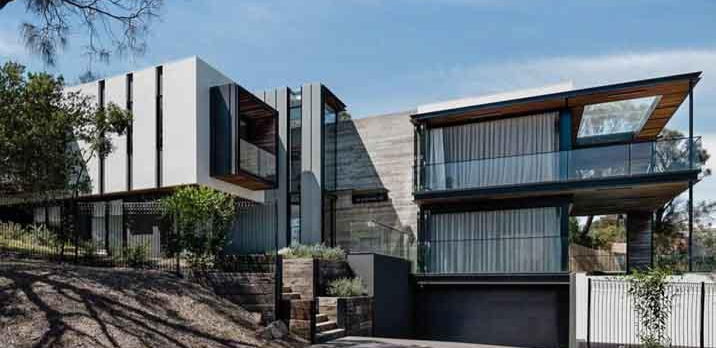
Low-pitched roofs have become one of the defining features of modern luxury homes. They create clean architectural lines, a contemporary street presence, and the minimalist aesthetic many homeowners are looking for.
But before you commit to a low-pitched roof, there is one important question you need to ask:
Where is the air conditioning going to go?
This is one of the most overlooked design considerations in custom home building.
Why Do Homeowners Choose Low-Pitched Roofs?
The answer is simple.
They look great.
Low-pitched roofs create a sleek, modern appearance that works particularly well with contemporary and luxury home designs. They can make a home feel more architectural and visually striking compared to traditional roof profiles.
However, every design decision comes with trade-offs.
The Problem With Low-Pitched Roofs
The biggest challenge is the lack of roof cavity space.
In a traditional roof, there is usually enough room above the ceiling to accommodate:
Ducted air conditioning units
Air conditioning ductwork
Electrical services
Other mechanical systems
With a low-pitched roof, that space often disappears.
This creates a problem when it comes time to install your HVAC system.
What Happens When There Is No Roof Space?
When there is insufficient ceiling space, builders often need to create bulkheads throughout the home.
Bulkheads are lowered sections of ceiling that conceal ductwork and services.
While they solve the technical problem, they can also:
Reduce ceiling heights
Interrupt clean architectural lines
Affect room proportions
Create visual clutter in otherwise minimalist spaces
Ironically, homeowners often choose low-pitched roofs for their clean appearance, only to discover that bulkheads are required inside the home.
What Is the Alternative?
The alternative is typically a VRV (Variable Refrigerant Volume) system.
VRV systems are commonly used in high-end custom homes because they require less ceiling cavity space and provide greater flexibility for modern architectural designs.
They can help maintain:
Cleaner ceilings
Better architectural detailing
Greater design flexibility
Improved zoning and climate control
The downside?
Cost.
VRV systems are generally significantly more expensive than conventional ducted air conditioning systems.
This is why many luxury homes include them, while more budget-conscious projects may not.
So Should You Choose a Low-Pitched Roof?
The answer depends on your priorities.
If achieving a modern architectural aesthetic is your highest priority and your budget allows for premium HVAC solutions, a low-pitched roof can work exceptionally well.
However, if your goal is to maximise value and minimise construction costs, it is important to understand the additional expenses that may come with that design choice.
A roof is not just about how it looks from the street.
It affects:
Air conditioning design
Construction costs
Ceiling layouts
Interior aesthetics
Long-term functionality
Why Early Builder Involvement Matters
This is exactly why we encourage clients to engage a builder early in the design process.
At Neogen Homes, we do not just look at what a design looks like. We look at how it will actually be built.
A low-pitched roof may look fantastic on a concept drawing, but we also want to ensure the air conditioning works, the ceilings remain clean, and the budget stays on track.
Good custom home design is about balancing aesthetics with practicality.
The best homes are not simply beautiful.
They are beautiful because every detail has been carefully thought through.