
Why the 2026 Budget Changes Favour Duplex Builds

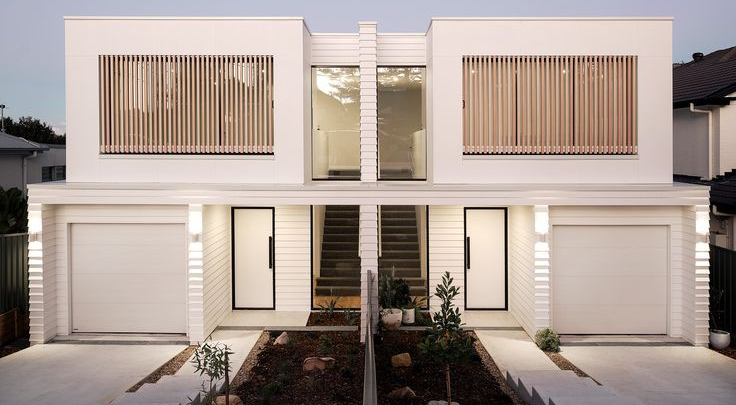
The 2026 Federal Budget was handed down on 12 May 2026, and the proposals in it would change the property investment landscape in Australia. If you’ve been sitting on the fence about building a duplex, the government just handed you a very good reason to get off it.
Here’s what happened, and why it matters if you’re thinking about your next property move.
The Big Changes
Treasurer Jim Chalmers announced two major reforms announced on Budget night (12 May 2026), proposed to apply, with the full effect starting 1 July 2027:
Negative gearing is now restricted to new builds. If you buy an existing investment property after 12 May 2026, you can no longer offset your rental losses against your salary or other income. Those losses get quarantined and can only be used against other rental income or future property capital gains. That’s a big deal for investors who have relied on negative gearing to manage cash flow on established houses.
The 50% CGT discount is being replaced. For most property investors, the old 50% capital gains tax discount is gone. It’s being swapped for a cost base indexation model (adjusted for inflation) plus a minimum 30% tax rate on gains. That changes the maths on holding established property significantly.
But here’s the part that didn’t get enough attention in the headlines.
New Builds Get the Full Package
Investors who purchase newly built residential properties keep everything. Full negative gearing against all income. And they get to choose whichever CGT method gives them the better outcome: the existing 50% discount, or the new indexation method. Best of both worlds.
The government is actively rewarding people who invest in housing that adds to supply. And that’s where duplexes come in.
Why Duplexes Specifically
The Budget’s definition of a "new build" is specific, and it works in favour of duplex developments. To qualify as a new build, the property has to genuinely add to housing stock. Here’s what counts:
A duplex built on vacant land
A duplex built as a knockdown-rebuild where you’re replacing one dwelling with two (net increase in supply)
Off-the-plan and house-and-land packages
Any construction on previously vacant land
And here’s what doesn’t qualify:
Knocking down one house and building one new house on the same block (no net increase)
Renovating or extending an existing home
Adding a granny flat to an existing property that isn’t eligible
A new build that’s been lived in for more than 12 months before first sale
So if you demolish an old three-bedroom house and build a duplex, each dwelling qualifies as a new build. Your buyer gets full negative gearing and the choice of CGT treatment. If you demolish that same house and build one bigger house, it doesn’t qualify. The distinction is about adding dwellings to the market.
What This Means in Dollar Terms
Say an investor buys one side of a completed duplex for $1.2 million. They rent it out, and after mortgage interest, management fees, rates, insurance and maintenance, they’re running at a $15,000 annual loss.
Under the old rules (which still apply to new builds), that $15,000 loss offsets their salary income. At a marginal tax rate of 39%, that’s roughly $5,850 back at tax time. If they’d bought an established house instead, that deduction is now quarantined. They don’t see that cash flow benefit until they eventually sell or have surplus rental income from other properties.
Over a 10-year hold, the difference in after-tax cash flow between a new duplex and an established house is substantial.
Then add the CGT flexibility. If the duplex appreciates well and the investor holds long enough for inflation to erode the real gain, the indexation method might be better. If the gain is large and quick, the 50% discount might win. Having the choice is a genuine advantage.
What We’re Seeing on the Ground
And it makes sense. The tax system now creates a clear two-tier market: new housing that adds to supply (where investors keep all the benefits) and established housing (where the benefits are being wound back). Money follows incentives, and the incentive to build or buy new is now hard to ignore.
What to Think About If You’re Considering a Duplex Build
A few practical things worth knowing:
Timing matters. The new build needs to be sold to its first purchaser within 12 months of completion, and it can’t have been occupied during that period. After that, the "new build" status is lost for the next buyer. If you’re building to sell, you want to have your sales process lined up well before completion.
Location still matters. The tax benefits don’t override fundamentals. You still need the right land, the right zoning, and a location where the rental yield and growth profile make sense. south-west and western Sydney, parts of the Illawarra, and well-zoned infill sites across metro Sydney are where we’re seeing the strongest alignment of planning opportunity and investor demand.
Design-and-construct is the path. Building a duplex through a design-and-construct arrangement (where the builder handles everything from DA or CDC through to handover) is the most efficient way to do this. You’re not trying to coordinate separate architects, engineers, and builders across a split project.
The numbers need to work from day one. Tax benefits improve the cash flow position, but they don’t save a bad deal. Get independent feasibility advice before committing. Understand the build cost, the realistic rental return, and the likely end value.
Where Neogen Fits
At Neogen, duplex design-and-construct is what we do. We handle the full process from site assessment and feasibility through to design, approvals, construction, and completion. We build across Sydney, with active projects from Campbelltown to Caringbah and Ryde.
If the Budget changes have you thinking about building a duplex, whether as an investor looking for tax-effective returns or as an owner-occupier who wants to live in one and rent the other, we’d like to hear from you.
Get in touch with our team to talk about your site, your goals, and what a duplex build would look like for your situation.
This article is general information only and not financial or tax advice. The Budget measures are proposed and subject to legislation. Speak to your accountant or financial adviser about how these changes apply to your specific circumstances.
Neogen Homes | Custom Duplex Builds Across Sydneyneogenhomes.com.au