
Hebel vs Brickwork: Why More Homeowners Are Choosing Hebel for Their Custom Homes
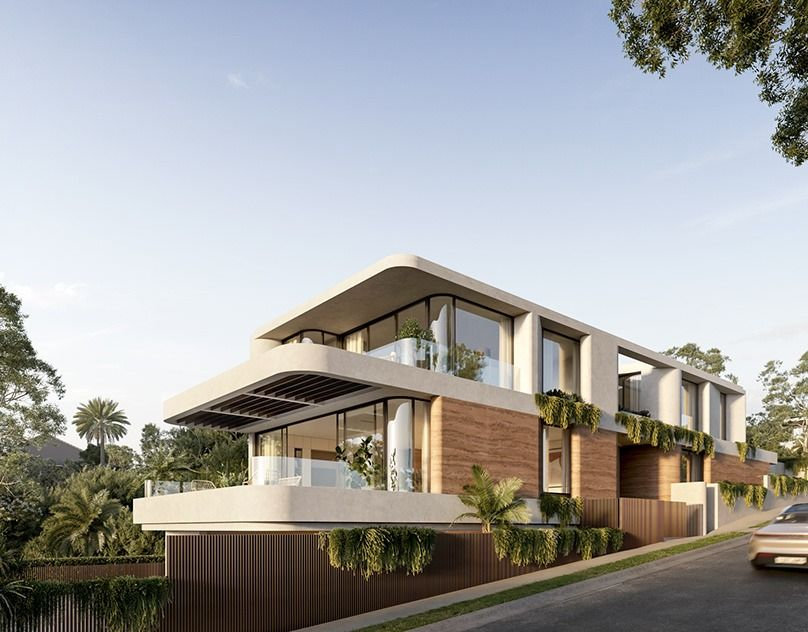
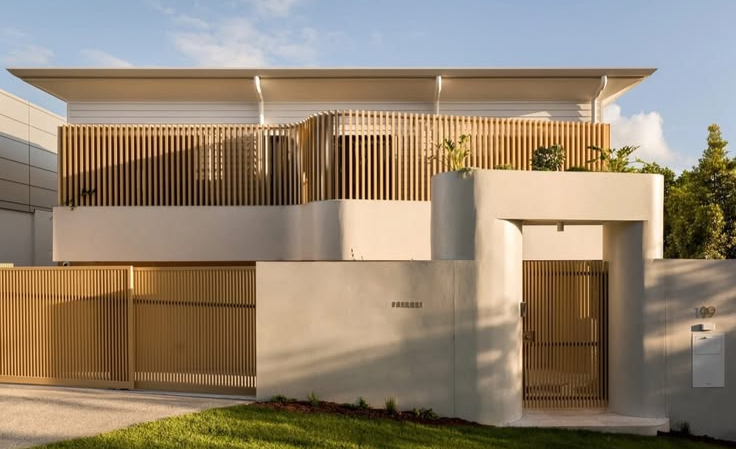
One of the questions we get asked regularly is whether Hebel or traditional brickwork is the better choice for a new home. While both systems have their place, more homeowners are choosing Hebel because of its speed of construction, thermal performance, and overall efficiency.
If you’re planning a custom home, understanding the differences can help you make a more informed decision.
What Is Hebel?
Hebel is an autoclaved aerated concrete (AAC) product made from cement, lime, sand, water, and a small amount of aluminium powder. The result is a lightweight panel system that provides both structural and insulation benefits.
Unlike traditional brickwork, which is laid brick by brick, Hebel panels are installed in larger sections, allowing construction to progress much faster.
1. Faster Construction
One of the biggest advantages of Hebel is speed.
Because the panels are manufactured in large sections, installation is significantly quicker than traditional bricklaying. Areas around windows, doors, and external walls can be completed much faster, helping keep the overall construction program moving efficiently.
For homeowners, faster installation can mean fewer delays and a more streamlined build process.
2. Excellent Thermal Performance
Modern homes need to be comfortable and energy efficient.
Hebel provides excellent thermal insulation properties, helping regulate indoor temperatures throughout the year. During summer, it helps reduce heat transfer into the home. During winter, it helps retain warmth inside.
This improved thermal performance can contribute to:
Lower heating and cooling costs
Better energy efficiency
Increased year-round comfort
Improved BASIX and energy compliance outcomes
As building standards continue to evolve, thermal performance is becoming an increasingly important consideration in custom home design.
3. A Clean Architectural Finish
Many homeowners are drawn to Hebel because of its modern appearance.
When rendered correctly, Hebel creates a clean, seamless façade that works particularly well with contemporary and architectural home designs.
However, proper installation is critical.
At Neogen Homes, we use a full mesh render system, where reinforcing mesh is applied across the Hebel panels before rendering. This helps:
Minimise the risk of cracking
Improve durability
Create a more consistent finish
Enhance the long-term performance of the façade
The quality of the rendering system is just as important as the Hebel itself.
4. Reduced Labour and Material Requirements
Traditional brickwork requires numerous components, including:
Sand
Cement
Brick ties
Lintels
Mortar
Additional accessories and consumables
Hebel systems are generally more integrated, with many components designed to work together as part of a complete installation system.
This can reduce labour requirements, simplify installation, and improve construction efficiency.
5. Is Hebel Right for Every Home?
Not necessarily.
Both Hebel and brickwork have advantages depending on the design, budget, location, and performance requirements of the home.
For homeowners seeking:
Faster construction
Strong thermal performance
Contemporary architectural finishes
Efficient building systems
Hebel is often a very attractive option.
The best choice ultimately depends on your specific project goals and site requirements.
How Neogen Homes Helps You Choose
At Neogen Homes, we guide clients through these decisions early in the design process. We assess your site, budget, design goals, and performance requirements to determine which construction method is best suited to your home.
There is no one-size-fits-all answer. The right solution is the one that aligns with your lifestyle, budget, and long-term goals.