
Feature Staircases: What You Need to Know Before Designing One
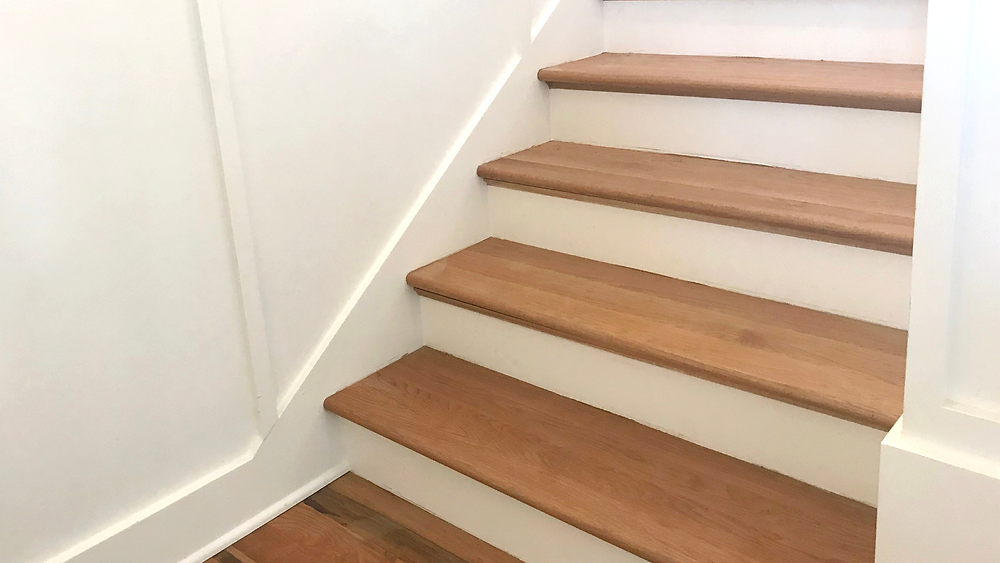
Staircases are no longer just a way to move between levels. In modern custom homes, they are becoming one of the most important architectural features. But beyond how they look, there are key design decisions that affect safety, comfort, cost, and long-term performance.
Here are the most common questions homeowners have when planning a staircase and what you need to know.
1. Where Should the Staircase Be Located?
Placement is one of the most important decisions. In standard homes, stairs are often positioned wherever they fit. In custom homes, they are placed intentionally.
Positioning a staircase near the entry can create a strong first impression. Placing it beside a void can bring in natural light and open up the space. The goal is to make the staircase feel connected to the home, not hidden within it.
2. What Type of Staircase Should You Choose?
There are several design options, and each serves a different purpose:
Straight stairs are simple and cost-effective
L-shaped or U-shaped stairs improve flow and save space
Floating stairs create a modern, open feel
Feature stairs with glass or steel add a premium architectural look
The right choice depends on your layout, budget, and design style.
3. Are Floating Stairs Safe and Practical?
This is one of the most common concerns. Floating stairs can be completely safe when designed and engineered properly. They require strong structural support, precise installation, and compliant balustrades.
They are ideal for modern homes but may not suit every household, especially if safety for young children is a top priority.
4. What Materials Work Best?
Material selection affects both aesthetics and durability:
Timber adds warmth and works well in most homes
Glass balustrades maximise light and openness
Steel provides strength and a contemporary edge
Concrete offers a bold, solid architectural look
A well-designed staircase often combines materials to achieve both function and style.
5. How Does Stair Design Impact Cost?
Staircases can vary significantly in cost depending on complexity. Straight stairs are generally more affordable, while curved or floating staircases with premium finishes require more engineering and craftsmanship.
Planning this early helps ensure the design aligns with your budget and avoids unexpected upgrades later.
6. Why Does Staircase Design Matter So Much?
A well-designed staircase does more than connect levels. It improves how the home feels. It influences natural light, movement, and how spaces connect with each other. When done right, it becomes a feature that adds long-term value to the home.
At Neogen Homes, we treat staircases as part of the overall design, not an afterthought. We consider placement, structure, materials, and budget from the beginning so the staircase works both visually and practically.
If you are planning a custom home and want to understand what type of staircase will suit your layout and lifestyle: