Why 2025 Homes Look Nothing Like 2020 Homes
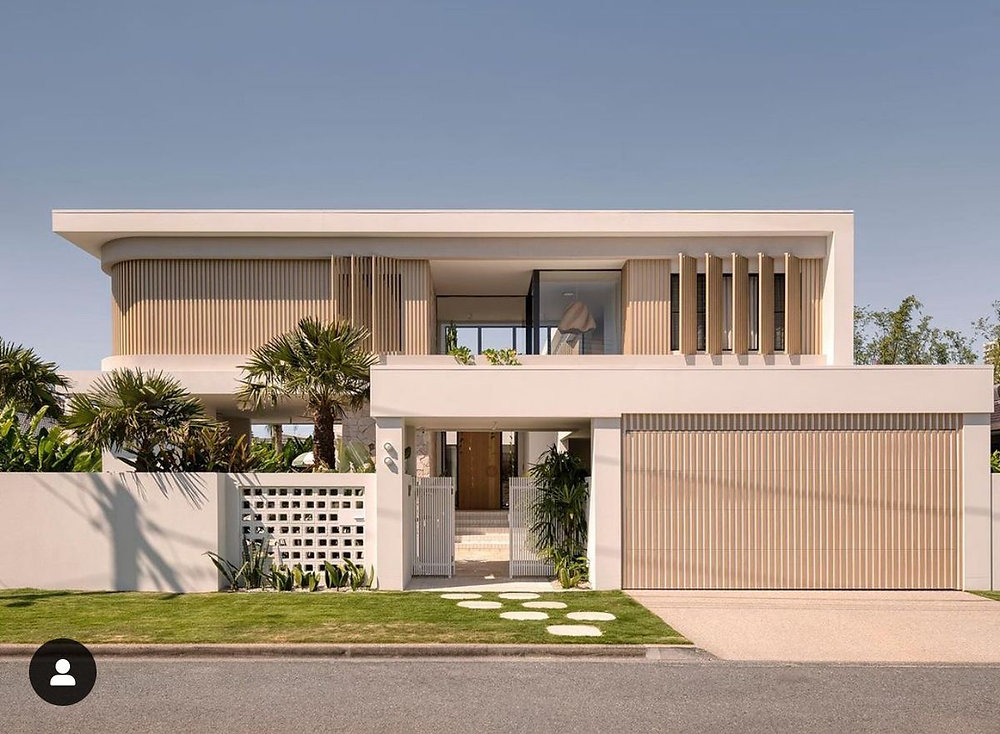
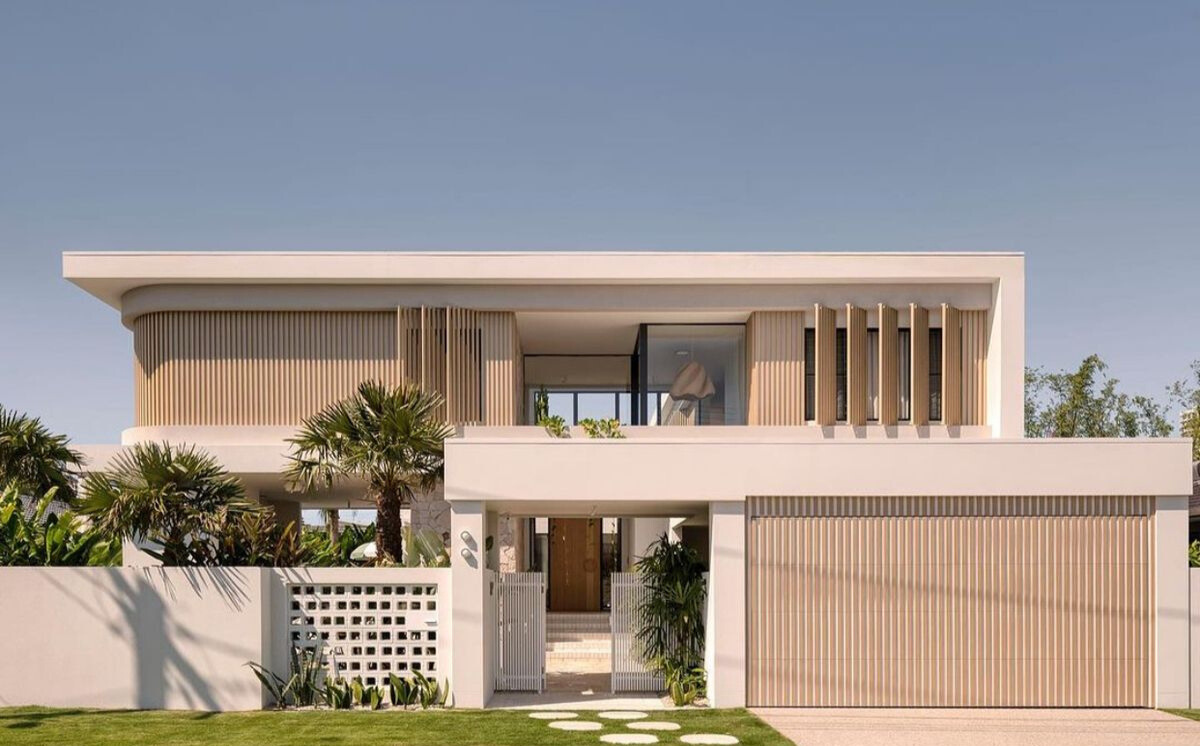
If you are comparing today’s build prices to anything from 2020, you will be way off. The building industry has shifted more in the last five years than in the previous fifteen. The rules are tighter. The standards are higher. The materials are different. And the expectations for energy performance have completely changed.
For anyone planning a custom home in 2025, understanding these changes is the key to staying on budget and avoiding major surprises later. Here is what has transformed the way homes are designed and built today.
1. BASIX Targets Have Jumped
Homes now need higher thermal performance than ever before. That means better insulation levels, upgraded glazing, improved shading, and smarter ventilation. Even your roof colour and window placement matter. These requirements directly influence both your design and your budget.
2. NatHERS Standards Are More Demanding
Many homes now need to achieve a 7-star NatHERS rating. You cannot design a home first and “fix” the rating later. Orientation, airtightness, and material choices must be considered from the very beginning. Every decision impacts your compliance and overall energy performance.
3. Engineering Is Stricter and More Detailed
Slabs, frames, tie-downs, bracing and structural connections all follow new criteria. Designs that passed easily under older codes now require recalculation and reinforcement. This means more engineering work upfront, not less.
4. Material Choices Have Evolved
What used to be optional is now standard in most high-performing custom homes. That includes double glazing, higher R-value insulation, reflective sarking, advanced ventilation systems, and energy-efficient fixtures. These materials improve comfort and reduce long-term energy use, but they also influence construction costs.
5. Energy Use Must Be Proven, Not Assumed
Your home has to demonstrate its performance through modelling before it is approved. This affects everything from your roof pitch to window sizes, room layouts, shading, and even the shape of the home itself.
What This Means for Your Custom Home
Modern custom homes start with constraints, not concepts. The rules come first. Your lifestyle comes second. A great design in 2025 must work within the standards before it can reflect your vision. When you understand that, everything becomes clearer — the budget, the process, and the final result.
At Neogen Homes, we guide you through these requirements from day one so your design is compliant, efficient, and beautifully executed without costly redesigns later.