
How to Know If Your Block Is Duplex Ready
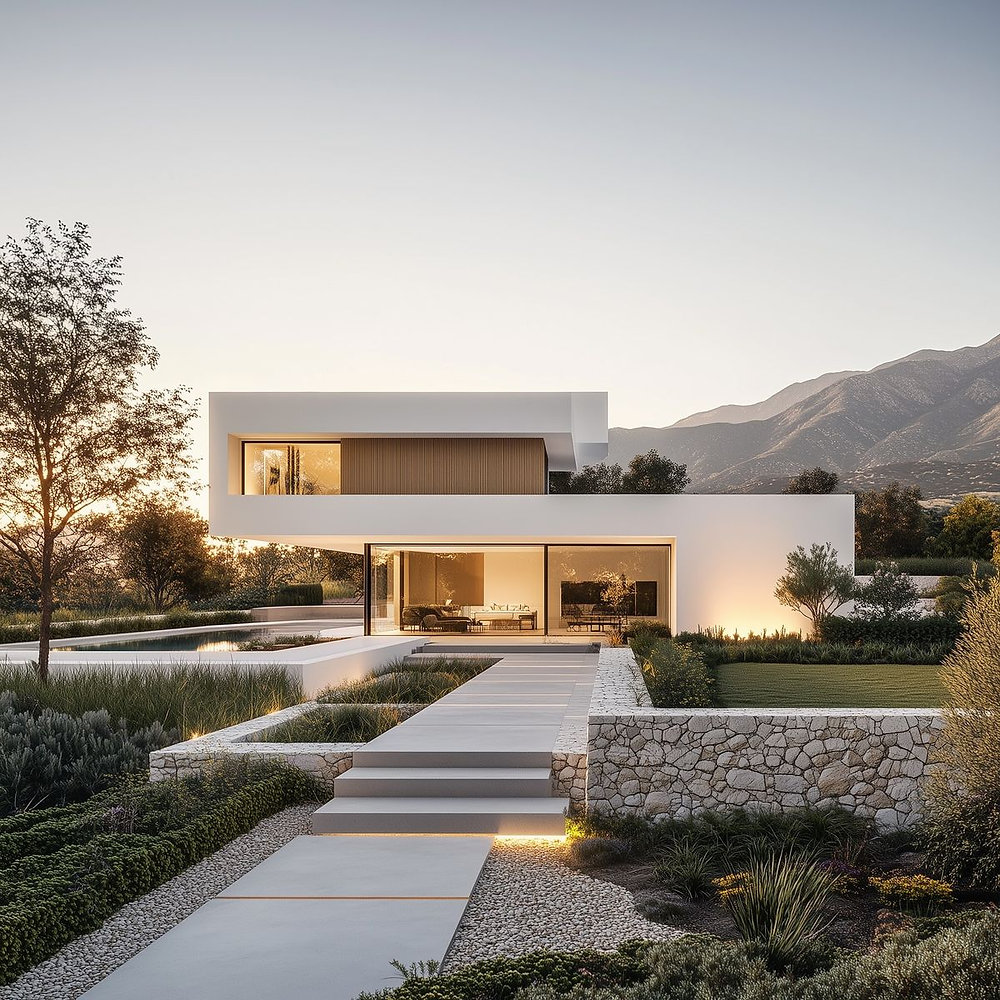
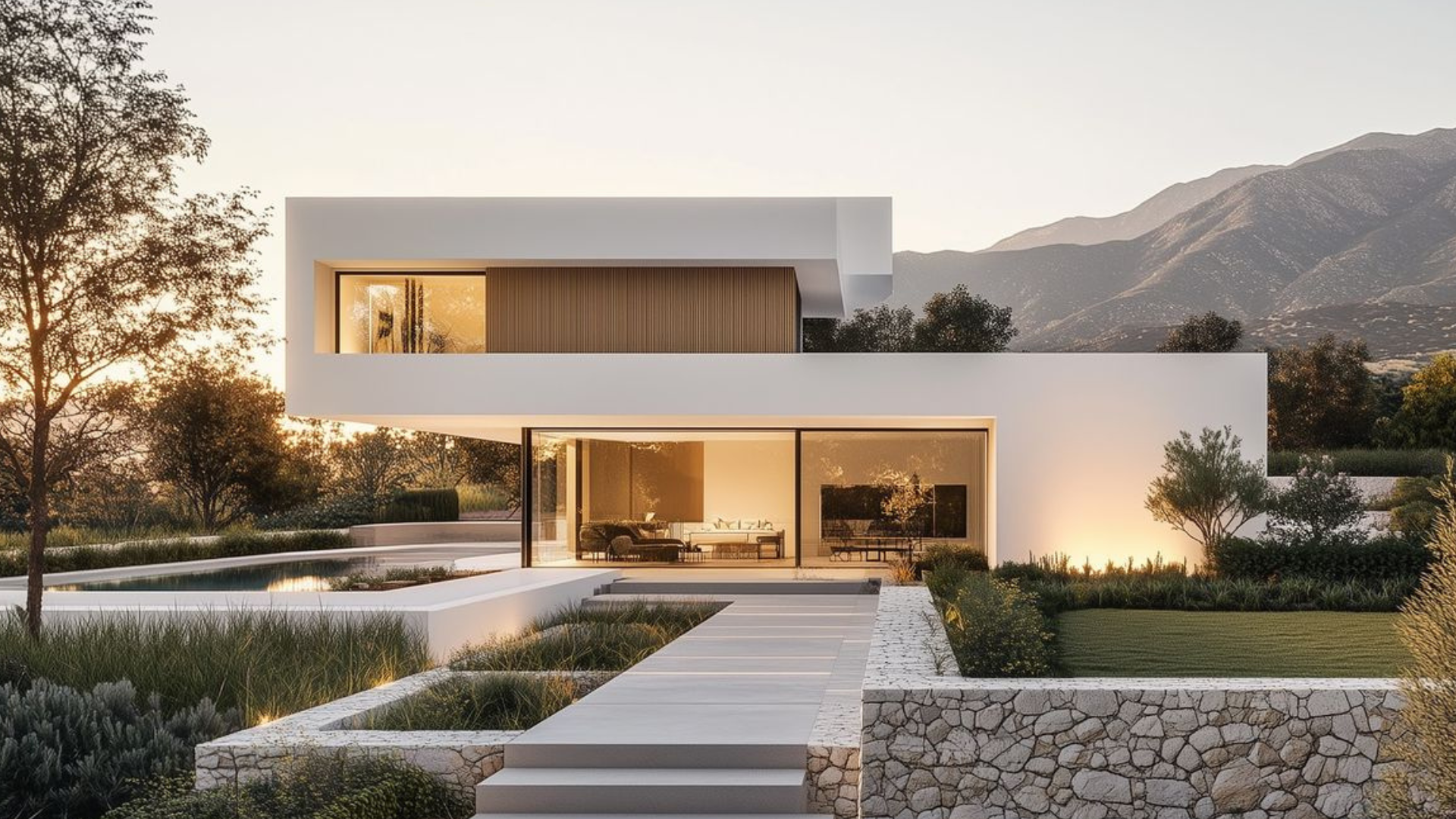
Building a duplex is one of the smartest ways to maximise your property’s value. It can create two income-generating homes on one lot, help you build equity faster, and open up opportunities for long-term financial growth. But before you dive in, you need to know whether your block is actually suitable for a duplex. Not every site ticks the right boxes, and missing key details early can lead to costly redesigns or approval delays later.
Here’s a step-by-step guide to help you find out if your block is duplex ready:
Step 1: Check Your Zoning
Start by confirming your property’s zoning with your local council. Duplexes are usually allowed in R2 (Low Density Residential), R3 (Medium Density Residential), or R4 (High Density Residential) zones. Zoning rules determine what can be built on your land, so getting this right upfront helps you avoid wasted time and money.
Step 2: Measure Lot Size and Width
Most councils require a minimum lot size of around 600m² and a frontage of 15–18 metres for a duplex. If your block is smaller or narrower, a Complying Development Certificate (CDC) may not apply, but you could still get approval through a Development Application (DA). A builder experienced in duplex design can help assess which path fits your site best.
Step 3: Assess the Slope
A sloping block doesn’t mean you can’t build a duplex, but it can add complexity. Steeper blocks often need retaining walls, split-level layouts, or additional excavation, which impacts cost and design. Understanding your land’s topography early lets you plan smarter and avoid surprises during construction.
Step 4: Check Access and Driveway Layout
Your site must allow for safe and compliant driveway access. Corner blocks are ideal because each dwelling can have its own street frontage, while narrow lots need careful planning to meet parking and access requirements. Professional site planning ensures both homes meet council standards and function well day-to-day.
Step 5: Review Services and Easements
Before building, check for sewer lines, stormwater drains, or power poles that may affect where you can build. Relocating or working around easements can add extra cost. A detailed site assessment helps map out these challenges early and factor them into your budget.
At Neogen Homes, we know every block has potential — but not every block suits a duplex. Our team will assess your site, explain your options, and guide you through the right approval process, whether it’s CDC or DA.